
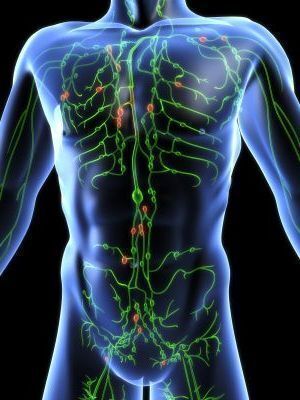
Isolated lymphatic malformations (LMs) can vary widely in size and appearance and can occur almost anywhere in the body. How an LM looks and behaves depends on where it forms and the type of cysts involved.
Macrocystic
Macrocystic LMs are large, fluid-filled cysts that often feel like soft, compressible lumps under the skin. They are sometimes described as being like “water balloons” filled with lymphatic fluid.
These cysts are usually well defined and can change in size, sometimes swelling due to infection, inflammation, or fluid buildup. They are most commonly found in the neck and underarm but can occur anywhere in the body.
They are usually caused by somatic changes in the PIK3CA gene and, less commonly in BRAF, and are not inherited. Macrocystic LMs can occur in some chromosomal conditions, such as Down syndrome, Noonan syndrome, or Turner syndrome, this is less common.
Microcystic
Microcystic LMs consist of many tiny cysts, often too small to see individually, and tend to involve tissues closer to the skin’s surface. They may look like a cluster of small bubbles or have a sponge-like appearance.
Microcystic LMs commonly affect the mouth, tongue, face, or limbs and may cause swelling, small blisters, or leakage of lymphatic fluid through the skin.
They are most often associated with activating somatic mutations in the PIK3CA gene, which are not inherited.
Mixed
Mixed LMs contain both large and small cysts within the same area. This combination can lead to visible swelling along with deeper, less well-defined tissue involvement.
They can occur in nearly any part of the body, including the neck, arms, legs, trunk, or chest wall. Like other isolated LMs, they are most often associated with activating somatic mutations in the PIK3CA gene.
| Macrocystic | Microcystic | Mixed | |
|---|---|---|---|
| Previous terminology | Cystic hygroma, lymphangiomas | Lymphangioma circumscriptum, capillary lymphangioma | Cavernous lymphangioma, lymphangioma (unspecified) |
| Distinguishing features | Large fluid-filled cysts or lumps under the skin | Tiny cysts that appear as cluster of small bubbles/sponge-like structure | Both visible swelling and deeper, less-defined tissue involvement |
| genetics, pathogenic gene variants | Somatic: PIK3CA mostly, occasionally BRAF | Somatic: PIK3CA | Somatic: PIK3CA |
Reference:
Sleutjes, J. K. (2022). Lymphatic Abnormalities in Noonan Syndrome Spectrum Disorders: A Systematic Review. Mol Syndromol, 1-11.
Other items you may like
New research explores how microRNAs may help create targeted treatments for lymphatic malformations, offering hope for therapies with fewer side effects than current medications.
Learn how lab-grown lymphatic tissues from children’s biopsies help doctors find hidden mutations and choose personalized treatments for lymphatic and vascular anomalies.